Coral Reef

[ad_1]

                                      Coral Reefs: Jewel of the Ocean

A coral reef is an underwater ecosystem composed of diverse communities of coral polyps, algae, and other marine organisms. Coral reefs are formed by the accumulation of the exoskeletons of corals, which are small animals belonging to the class Anthozoa.


Corals are colonial organisms that secrete a calcium carbonate skeleton, creating intricate structures known as coral reefs. They are typically found in warm, shallow waters with clear visibility, as they rely on sunlight for photosynthesis. Coral reefs can be found in tropical and subtropical regions around the world, particularly in the Pacific Ocean, Indian Ocean, and the Caribbean Sea.

Coral reefs are known for their high biodiversity and provide essential habitats for a wide variety of marine life. They support approximately 25% of all marine species, despite covering less than 1% of the Earth’s surface. Coral reefs are often referred to as the “rainforests of the sea” due to their rich and complex ecosystems.

In addition to supporting marine biodiversity, coral reefs offer several important benefits to humans. They act as natural barriers, protecting coastal areas from erosion and storm damage. Coral reefs also provide valuable resources such as fish, shellfish, and other seafood, which are crucial for the livelihoods and food security of many coastal communities.

However, coral reefs are facing numerous threats, primarily due to human activities. Climate change, including rising sea temperatures and ocean acidification, poses a significant risk to coral reefs. When exposed to prolonged high temperatures, corals can undergo a phenomenon called coral bleaching, where they expel the symbiotic algae living in their tissues, leading to their death if conditions do not improve.

Other threats to coral reefs include pollution, overfishing, destructive fishing practices, coastal development, and coral mining. These activities can degrade coral reefs and disrupt the delicate balance of the ecosystem.

Efforts are being made worldwide to protect and conserve coral reefs. These include establishing marine protected areas, implementing sustainable fishing practices, reducing pollution, and raising awareness about the importance of coral reef conservation.

It’s crucial to address the challenges facing coral reefs to ensure the long-term survival of these valuable ecosystems and the countless species that depend on them.

Visit: https://bestpaperaward.blogspot.com/
#CoralReef
#SaveOurReefs
#ReefConservation
#ProtectCoralReefs
#ReefAwareness
#CoralReefEcology
#UnderwaterBeauty
#MarineConservation
#OceanProtection
#ReefLife
#DiveIntoReefs
#ReefLove
#CoralConservation
#ReefExploration
#ReefBiodiversity

Facebook: https://www.facebook.com/profile.phpid=100087106114908 

Twitter : https://twitter.com/bestpaperaward 

Pinterest : https://in.pinterest.com/bestpaperaward
Linkedin : https://www.linkedin.com/in/esha-gupta-18b2b4245 

Instagram: https://www.instagram.com/eshagupta__2022/


[ad_2]

Source link

Submarine Implosions

[ad_1]

                “The Thin Line: Surviving Submarine Implosions”

Submarine implosion refers to the catastrophic collapse or failure of a submarine’s pressure hull due to the external pressure exerted by the surrounding water. This can occur when a submarine dives to great depths or experiences a structural weakness or defect in its hull.

When a submarine descends into deep waters, the water pressure increases significantly with depth. Submarines are designed to withstand these pressures and have robust pressure hulls constructed from strong materials like steel or titanium. However, if the submarine exceeds its operational depth limit or encounters a structural flaw, the hull can fail, leading to an implosion.


The implosion of a submarine can be a rapid and violent event. As the external pressure exceeds the internal pressure of the submarine, the hull collapses inward, often causing significant damage to the vessel. The implosion can result in the loss of structural integrity, leading to the rupture of bulkheads, flooding of compartments, and potential loss of life.

Submarines undergo rigorous testing and are designed with safety margins to prevent implosions. Engineers and naval architects employ advanced techniques, such as finite element analysis and hydrostatic pressure testing, to ensure the strength and integrity of submarine hulls. Regular inspections, maintenance, and adherence to operational limits are also crucial in preventing catastrophic failures.

It’s important to note that implosions are relatively rare occurrences in modern submarine operations due to advancements in submarine design and safety protocols. Nevertheless, they represent a significant risk that navies and submarine operators mitigate through proper training, maintenance, and adherence to established safety procedures.

Visit: https://bestpaperaward.blogspot.com/

#SubmarineImplosion
#UnderwaterDisaster
#SubmarineSafety
#NavalEngineering
#DeepSeaPressure
#SubmarineAccidents
#UnderwaterHazards
#SubmarineTechnology
#MaritimeSafety
#SurvivingTheDeep

Facebook: https://www.facebook.com/profile.phpid=100087106114908
Twitter : https://twitter.com/bestpaperaward
Pinterest : https://in.pinterest.com/bestpaperaward
Linkedin : https://www.linkedin.com/in/esha-gupta-18b2b4245
Instagram: https://www.instagram.com/eshagupta__2022/


[ad_2]

Source link

Soils

[ad_1]


      “The Importance of Soil Health: Nurturing the Foundation of Life”

Soil is a vital natural resource that plays a crucial role in supporting life on Earth. It is a complex mixture of minerals, organic matter, water, air, and living organisms. Soils are formed through the weathering of rocks and minerals over long periods of time, and they vary in composition and characteristics depending on factors such as climate, parent material, topography, and biological activity.

Soil has several important functions and benefits. It serves as a medium for plant growth, providing nutrients, water, and physical support to plants. Soils also act as a filter and buffer for water, helping to purify and regulate the flow of water through the landscape. Additionally, soil serves as a habitat for countless organisms, including bacteria, fungi, insects, worms, and small animals, which contribute to its fertility and overall ecosystem health.
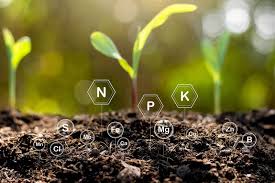
                                       

Soil is classified into different types based on factors such as texture (proportions of sand, silt, and clay particles), structure (arrangement of soil particles), and fertility (nutrient content). The major soil types include sandy soils, loamy soils, and clay soils, each with their own characteristics and suitability for different types of plants.

Soil erosion is a significant issue that can result from unsustainable land management practices, such as deforestation, overgrazing, and improper agricultural techniques. Erosion leads to the loss of topsoil, which is the most fertile layer of soil, and can have detrimental effects on agricultural productivity and ecosystem health. Therefore, soil conservation practices, such as terracing, contour plowing, and planting cover crops, are essential for maintaining soil health and preventing erosion.

Understanding soil properties and their management is important for sustainable agriculture, forestry, and land use planning. Soil testing and analysis help determine nutrient levels and pH, guiding the application of fertilizers and amendments to optimize plant growth. Additionally, soil science plays a role in environmental studies, land rehabilitation, and assessing the impact of human activities on ecosystems.

Overall, soils are a critical natural resource that supports food production, water filtration, biodiversity, and various ecosystem services. Preserving and managing soils in a sustainable manner is crucial for maintaining a healthy and productive environment for future generations.

Visit: https://bestpaperaward.blogspot.com/

#SoilHealth
#SoilConservation
#SoilScience
#HealthySoils
#SoilBiodiversity
#SoilErosion
#SoilFertility
#SoilManagement
#SustainableAgriculture
#RegenerativeFarming
#SoilTesting
#SoilAmendment
#SoilMicroorganisms
#SoilEducation
#SoilAwareness

Facebook: https://www.facebook.com/profile.phpid=100087106114908
Twitter : https://twitter.com/bestpaperaward
Pinterest : https://in.pinterest.com/bestpaperaward
Linkedin : https://www.linkedin.com/in/esha-gupta-18b2b4245
Instagram: https://www.instagram.com/eshagupta__2022/


[ad_2]

Source link

Mars

[ad_1]

                   “Mars: The Ultimate Frontier of Science and Discovery”

Mars is the fourth planet from the Sun in our solar system, and it is often referred to as the “Red Planet” due to its reddish appearance. Here are some key facts about Mars:

Size and Distance: Mars has a diameter of about 6,779 kilometers (4,212 miles), which is roughly half the size of Earth. Its average distance from the Sun is about 228 million kilometers (142 million miles).

Orbital Period: Mars takes approximately 687 Earth days, or about 1.88 Earth years, to complete one orbit around the Sun.

Atmosphere: Mars has a thin atmosphere consisting mainly of carbon dioxide (about 95%) and trace amounts of nitrogen and argon. The thin atmosphere makes the planet’s surface conditions harsh, with low air pressure and extreme temperatures.

Surface Features: Mars has a diverse range of surface features, including volcanoes, impact craters, valleys, deserts, and polar ice caps. The largest volcano in the solar system, Olympus Mons, is located on Mars.

Moons: Mars has two small moons called Phobos and Deimos. These moons are irregularly shaped and are likely captured asteroids or captured debris from impacts on Mars.

Exploration: Mars has been the subject of numerous robotic missions from various space agencies. The most notable missions include the Mars rovers, such as Sojourner, Spirit, Opportunity, Curiosity, and Perseverance. These rovers have provided valuable information about Mars’ geology, climate, and the potential for past or present life.

Potential for Life: Mars is considered a prime candidate for the search for extraterrestrial life. Although no conclusive evidence of life has been found yet, scientists have discovered signs of past water activity on the planet, suggesting that Mars might have had a more hospitable environment in the past.

Future Human Missions: There are plans for crewed missions to Mars in the coming decades. These missions would involve sending astronauts to explore the planet’s surface, conduct scientific research, and potentially establish a human presence on Mars.

It’s worth noting that the information I provided is accurate up until September 2021, and there may have been new discoveries or developments regarding Mars since then.

Visit: https://bestpaperaward.blogspot.com/
#MarsExploration
#RedPlanet
#MarsMission
#SpaceExploration
#MartianLife
#MarsRover
#ColonizeMars
#MarsResearch
#SpaceScience
#MarsDiscovery
#BeyondEarth
#Mars2023
#Astrobiology
#MarsHabitat
#MarsFact

Facebook: https://www.facebook.com/profile.phpid=100087106114908
Twitter : https://twitter.com/bestpaperaward
Pinterest : https://in.pinterest.com/bestpaperaward
Linkedin : https://www.linkedin.com/in/esha-gupta-18b2b4245
Instagram: https://www.instagram.com/eshagupta__2022/


[ad_2]

Source link

"Mars: The Next Great Leap for Humanity"

[ad_1]

Visit: https://bestpaperaward.blogspot.com/
#MarsExploration
#RedPlanet
#MarsMission
#SpaceExploration
Facebook: https://www.facebook.com/profile.phpid=100087106114908
Twitter : https://twitter.com/bestpaperaward
Pinterest : https://in.pinterest.com/bestpaperaward
Linkedin : https://www.linkedin.com/in/esha-gupta-18b2b4245
Instagram: https://www.instagram.com/eshagupta__2022/


[ad_2]

Source link

Steroid

[ad_1]

          “The Role of Steroids in Medical Treatment: A Comprehensive Guide”

Steroids, also known as corticosteroids or anabolic steroids, are a class of synthetic drugs that mimic the effects of naturally occurring hormones in the body. There are two main types of steroids: corticosteroids and anabolic steroids.Corticosteroids: These are synthetic drugs that resemble cortisol, a hormone naturally produced by the adrenal glands. Corticosteroids have potent anti-inflammatory properties and are commonly used to treat various medical conditions, including autoimmune disorders (such as rheumatoid arthritis and lupus), asthma, allergic reactions, and certain skin conditions. They work by suppressing the immune system and reducing inflammation in the body.

Common examples of corticosteroids include prednisone, hydrocortisone, and dexamethasone. These medications are usually prescribed by doctors and are available in different forms such as oral tablets, creams, inhalers, and injections.Anabolic steroids: Unlike corticosteroids, anabolic steroids are synthetic drugs that resemble testosterone, a male sex hormone. They are used to promote muscle growth and enhance athletic performance. Anabolic steroids can be taken orally or injected and are often abused by some athletes and bodybuilders to improve strength, endurance, and muscle mass.

It is important to note that the misuse of anabolic steroids can lead to serious health consequences. Prolonged use of high doses can cause adverse effects such as liver damage, cardiovascular problems, hormonal imbalances, psychiatric effects, and dependency.

It’s crucial to use steroids only under the supervision and prescription of a qualified healthcare professional to ensure their appropriate and safe use.

Visit: https://bestpaperaward.blogspot.com/
#Steroids
#Corticosteroids
#AnabolicSteroids
#SteroidAbuse
#SteroidAwareness
#SteroidEducation
#SteroidSideEffects
#PerformanceEnhancement
#MuscleGrowth
#SteroidSafety
#SteroidMisuse
#SteroidAlternatives
#SteroidHealth
#SteroidAddiction
#SteroidRecovery
#DopingInSports
#SteroidResearch
#SteroidRegulation
#SteroidMyths
#SteroidFacts
Facebook: https://www.facebook.com/profile.phpid=100087106114908
Twitter : https://twitter.com/bestpaperaward
Pinterest : https://in.pinterest.com/bestpaperaward
Linkedin : https://www.linkedin.com/in/esha-gupta-18b2b4245
Instagram: https://www.instagram.com/eshagupta__2022/


[ad_2]

Source link

Mercury

[ad_1]

                                     “Mercury: The Closest Planet to the Sun”

Mercury is a small, rocky planet and is the closest planet to the Sun in our solar system. Here are some key points about Mercury:

Size and Distance: Mercury is the smallest planet in our solar system, with a diameter of about 4,879 kilometers (3,032 miles). It is located about 57.9 million kilometers (35.9 million miles) from the Sun.

Orbital Period and Rotation: Mercury orbits the Sun once every 88 Earth days, which makes it the quickest planet to complete an orbit. However, its rotation is much slower, with a day on Mercury lasting about 59 Earth days. This means that a year on Mercury is shorter than its day.

Surface Features: Mercury has a heavily cratered surface, similar to the Moon. It lacks an atmosphere that could protect it from impacts, resulting in numerous impact craters. The planet’s surface also contains plains, scarps (cliffs), and some volcanic features.

Extreme Temperatures: Due to its proximity to the Sun, Mercury experiences extreme temperatures. During the day, the temperature can reach around 430 degrees Celsius (800 degrees Fahrenheit), while at night, it can drop to about -180 degrees Celsius (-290 degrees Fahrenheit).

Lack of Atmosphere: Unlike many other planets, Mercury has a very thin atmosphere. Its exosphere consists mainly of atoms blasted off its surface by solar wind and micrometeoroid impacts. The lack of a substantial atmosphere allows solar radiation to directly impact the surface.

Exploration: Several missions have been sent to study Mercury, including NASA’s Mariner 10 in the 1970s and the MESSENGER mission, which orbited Mercury from 2011 to 2015, providing valuable data about the planet’s composition, geology, and magnetic field.

Overall, Mercury is a fascinating but inhospitable planet with unique characteristics. Its proximity to the Sun and lack of atmosphere make it a challenging environment for exploration and potential human habitation.

#Mercury
#PlanetMercury
#SpaceExploration
#SolarSystem
#Astronomy
#PlanetFacts
#Science
#MercuryMissions
#Astrobiology
#SpaceDiscoveries
#MercurySurface
#SpaceResearch
#CelestialBodies
#ExploringMercury
#SpaceGeology

Facebook: https://www.facebook.com/profile.phpid=100087106114908
Twitter : https://twitter.com/bestpaperaward
Pinterest : https://in.pinterest.com/bestpaperaward
Linkedin : https://www.linkedin.com/in/esha-gupta-18b2b4245
Instagram: https://www.instagram.com/eshagupta__2022/


[ad_2]

Source link

Venus

[ad_1]

                         “Venus: The Hottest Planet in Our Solar System”

Venus is the second planet from the Sun and is often referred to as Earth’s “sister planet” due to their similar size and composition. Here are some key points about Venus:

Size and Composition: Venus has a diameter of about 12,104 kilometers (7,521 miles), making it slightly smaller than Earth. It has a rocky surface and is primarily composed of silicate rock and metal. Its atmosphere is mostly carbon dioxide (about 96%) with traces of nitrogen and other gases.

Atmosphere: Venus has a thick and dense atmosphere that creates a runaway greenhouse effect, making it the hottest planet in our solar system. The atmospheric pressure on Venus is about 92 times greater than Earth’s, equivalent to being submerged 900 meters (3,000 feet) underwater.

Surface Conditions: The surface of Venus is inhospitable with extreme temperatures averaging around 462 degrees Celsius (864 degrees Fahrenheit), which is hotter than the surface of Mercury despite Venus being further from the Sun. The atmospheric pressure and heat create a hostile environment where the air is thick and clouds of sulfuric acid dominate the skies.

Rotation and Orbit: Venus rotates on its axis very slowly, taking about 243 Earth days to complete one rotation. It orbits the Sun every 225 Earth days, following a nearly circular path. Interestingly, Venus has a retrograde rotation, meaning it spins in the opposite direction to most other planets.

Exploration: Venus has been studied extensively by space probes and telescopes. The first spacecraft to successfully land on Venus was the Soviet Union’s Venera 7 in 1970. Since then, several other missions, including the Venera and Pioneer programs, as well as NASA’s Magellan and ESA’s Venus Express, have provided valuable information about Venus’s atmosphere and surface.

Possibility of Life: Venus is considered a hostile environment for life as we know it due to its extreme temperatures, high atmospheric pressure, and acidic clouds. However, some scientists speculate that microbial life could potentially exist in the upper cloud layers where temperatures and pressures are more moderate.

Transit of Venus: One notable astronomical event associated with Venus is the transit of Venus. It occurs when Venus passes directly between the Earth and the Sun, appearing as a small, black dot crossing the face of the Sun. Transits of Venus are rare and occur in pairs separated by eight years, with more than a century between each pair.

Please note that scientific understanding and discoveries about Venus are continuously evolving as new research and missions take place.

#Venus
#PlanetVenus
#VenusFacts
#VenusExploration
#VenusianAtmosphere
#VenusSurface
#VenusMission
#VenusianClouds
#VenusTransit
#VenusLove
#VenusianBeauty
#VenusianSkies
#VenusObserved
#VenusScience
#VenusianLife

Facebook: https://www.facebook.com/profile.phpid=100087106114908
Twitter : https://twitter.com/bestpaperaward
Pinterest : https://in.pinterest.com/bestpaperaward
Linkedin : https://www.linkedin.com/in/esha-gupta-18b2b4245
Instagram: https://www.instagram.com/eshagupta__2022/


[ad_2]

Source link

Neptune

[ad_1]

                                    “Neptune: The Mysterious Blue Planet”

Neptune is the eighth and farthest known planet from the Sun in our solar system. It is the fourth-largest planet by diameter and the third-largest by mass. Neptune is named after the Roman god of the sea due to its striking blue color, reminiscent of the ocean.

Here are some key facts about Neptune:

Distance from the Sun: Neptune is located about 4.5 billion kilometers (2.8 billion miles) away from the Sun on average. Its orbit is highly elliptical, and it takes approximately 165 Earth years to complete one orbit around the Sun.

Size and Composition: Neptune has a diameter of about 49,500 kilometers (30,800 miles), making it nearly four times larger than Earth. It has a dense atmosphere composed mostly of hydrogen and helium, along with traces of methane, which gives the planet its blue color.

Moons: Neptune has 14 known moons, the largest of which is Triton. Triton is unique among the moons in our solar system because it has a retrograde orbit, meaning it orbits Neptune in the opposite direction of the planet’s rotation. Other notable moons include Nereid, Proteus, and Larissa.


Rings: Like other gas giant planets, Neptune has a system of rings. These rings are composed of ice particles and are much fainter and less prominent than the rings of Saturn. The rings are named after astronomers who made significant discoveries related to Neptune, such as Galle, Le Verrier, and Lassell.

Exploration: The only spacecraft to visit Neptune is NASA’s Voyager 2, which flew by the planet in 1989. Voyager 2 provided valuable data and images of Neptune and its moons, revealing details about the planet’s atmosphere and geology.

Characteristics: Neptune has a dynamic atmosphere with high-speed winds and large storm systems. The most famous storm on Neptune is the Great Dark Spot, which was observed by the Hubble Space Telescope in 1989 but has since disappeared. Another notable feature is the “scooter,” a dark spot observed in the atmosphere that moves at high speeds.

It’s worth noting that my knowledge cutoff is in September 2021, so there may have been new discoveries or information about Neptune since then.

#Neptune
#BluePlanet
#OuterPlanet
#SolarSystem
#SpaceExploration
#GiantPlanet
#NeptunianMoons
#Astronomy
#PlanetaryScience
#Voyager2
#NeptuneFacts
#NeptuneDiscovery
#SpaceMission
#NeptuneAtmosphere
#NeptuneRings

Facebook: https://www.facebook.com/profile.phpid=100087106114908
Twitter : https://twitter.com/bestpaperaward
Pinterest : https://in.pinterest.com/bestpaperaward
Linkedin : https://www.linkedin.com/in/esha-gupta-18b2b4245
Instagram: https://www.instagram.com/eshagupta__2022/


[ad_2]

Source link

Pluto

[ad_1]

                                      “New Horizons: Journey to Pluto”

Pluto is a dwarf planet located in our solar system. It was once considered the ninth planet, but in 2006, the International Astronomical Union (IAU) redefined the definition of a planet, and Pluto no longer met the criteria.

Here are some key facts about Pluto:

Size and Distance: Pluto is the largest known dwarf planet in our solar system. It has a diameter of about 2,376 kilometers (1,476 miles), which is roughly two-thirds the size of Earth’s moon. Its average distance from the Sun is approximately 5.9 billion kilometers (3.67 billion miles).

Orbit and Rotation: Pluto has an eccentric and tilted orbit compared to the major planets. It takes about 248 Earth years to complete one orbit around the Sun. Pluto also has a slow rotation, completing a full rotation on its axis in about 6.4 Earth days.

Composition: Pluto is primarily composed of rock and ice, similar to other dwarf planets in the Kuiper Belt. Its surface is covered in a layer of frozen nitrogen, methane, and carbon monoxide. It also has mountains, plains, and valleys.

Moons: Pluto has five known moons: Charon, Styx, Nix, Kerberos, and Hydra. The largest moon, Charon, is so massive that the Pluto-Charon system is often referred to as a binary system.

New Horizons Mission: In July 2015, NASA’s New Horizons spacecraft conducted a flyby of Pluto, providing us with the most detailed images and data we have of the dwarf planet to date. The mission revealed a complex and geologically active world with a diverse landscape.

Despite no longer being classified as a planet, Pluto remains an intriguing object of study for astronomers and planetary scientists. Its exploration has provided valuable insights into the outer regions of our solar system and the dynamics of dwarf planets.

#Pluto
#DwarfPlanet
#PlutoFlyby
#NewHorizons
#PlutoExploration
#PlutoFacts
#PlutoMission
#PlutoResearch
#PlutoScience
#PlutoSystem

Facebook: https://www.facebook.com/profile.phpid=100087106114908
Twitter : https://twitter.com/bestpaperaward
Pinterest : https://in.pinterest.com/bestpaperaward
Linkedin : https://www.linkedin.com/in/esha-gupta-18b2b4245
Instagram: https://www.instagram.com/eshagupta__2022/


[ad_2]

Source link